

CT Productions at 10 – The Anniversary Edition
CT at 10Nigeria
The Long View
In conversation with John G. Coumantaros, Chairman of Flour Mills of Nigeria
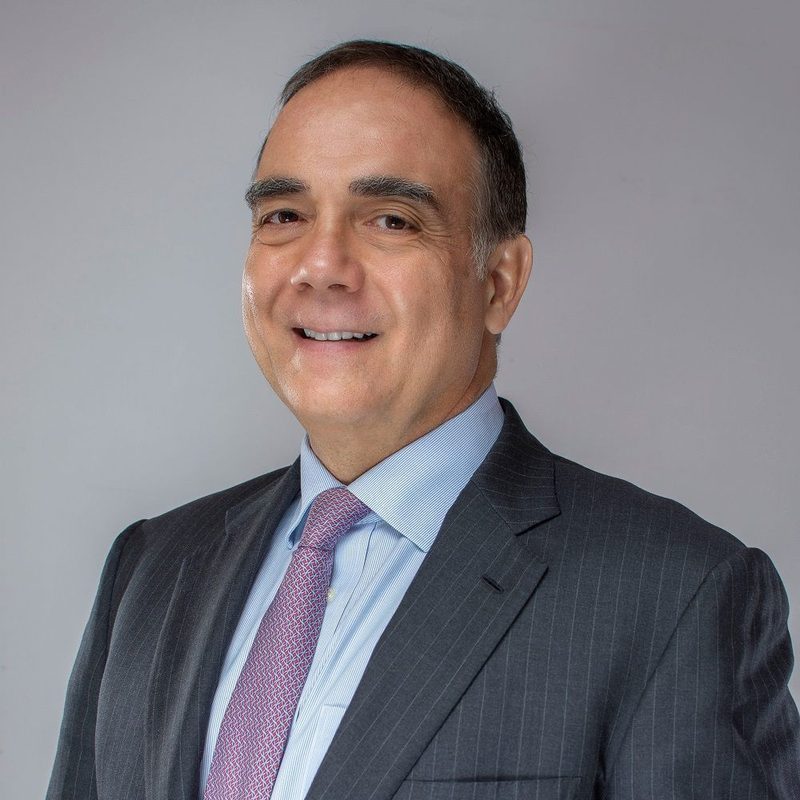
As chairman of Flour Mills of Nigeria, John Coumantaros leads a company that has weathered more than six decades of Nigeria’s economic booms and downturns. In this interview for the FOCUS Anniversary Edition, he reflects on what it takes to build a business that lasts, where the longstanding ties between Nigeria and Greece could lead, and what a more productive agricultural sector could make possible for Nigeria’s next generation.
A factory without a field is scrap metal, and a field without a factory is weed.
Flour Mills of Nigeria (FMN) has operated through more than sixty years of Nigeria’s booms and downturns. Looking back over that time, what has holding a company together through those cycles taught you about what it truly takes to build something lasting here?
Essentially, you need a sturdy innovation muscle. We have been around for a period precisely matching the number of years of Nigeria’s existence as an independent country. We have thus been through the various cycles of national economic ups and downs that Nigeria has witnessed. And we are proof positive that large-scale investments can thrive and return value to investors and stakeholders in Nigeria consistently across several decades.
Nigeria’s longstanding reliance on oil export earnings to fund the public sector, pay its import bills and support the repatriation of capital and returns by investors means that macro conditions tend to deteriorate when international oil prices and/or domestic production decline. There is a good chance that the ongoing cycle of economic reforms and other concurrent developments, such as the recent domestication of petroleum refining capacity, may ease that vulnerability going forward.
Under those conditions, building resilience is decisive to thriving over the long haul. And the key element in building that sort of long-term resilience is innovation. Innovation is the driving enabler of adaptation, which is what fosters the capacity to continue to thrive through volatility in the operating environment. Nimble innovation is also how to position oneself to capably respond to trendlines which foist unavoidable imperatives.
And so, over the last six and a half decades, to support a food processing operation which is today responsible for 27% of the packaged consumer food products produced in the country, we have built an agribusiness operation which is at the forefront of efforts to develop Nigeria’s agricultural value chains across crops like wheat, maize and soybean, and plantation crops like sugar and oil palm. Across these value chains, the goal is to drive productivity transformation in order to effectively localise raw material sourcing, substitute imports where possible, and secure supply chains.
We have built one of Nigeria’s leading industrial and agricultural packaging businesses and a large-scale logistics network. We are using that network to develop a distribution platform capable of bringing a broader range of products to consumers, supported by state-of-the-art technology, data and consumer insights. Together, these capabilities form an integrated infrastructure network that advances food security and agro-industrialisation in one of the world’s fast-growing consumer markets. The need to strengthen resilience has driven our expansion into these complementary areas.
Another major lesson is patience. We believe, from being a longstanding player in Nigeria, that investors in Nigeria need to be able to take a long-term, far-sighted view of the country as they plot strategy. This point is as relevant now as it was decades ago. Over time, Nigeria has had to build up the institutions of economic governance required to devise and implement strategies in service of her developmental aspirations.
We have observed this process unfold through the decades. There have been times when it appeared as though progress had gone into reverse. However, taking the long view, one discovers that the scope for new innovation and for risk-taking has gradually increased over time.
A brand such as Golden Penny enters people’s lives through ordinary routines, in kitchens, shops and meals shared with family. What does becoming part of a nation’s everyday life teach a business about the people it serves, and what has Nigeria taught you in particular?
In order to be an impactful business, you have to cultivate a certain intimacy with the population you serve through what is called brand equity in the business lexicon, but through so much more than that. As a consumer-facing business, you know you have created strong resonance when you have woven yourself into the cultural story of the society that surrounds you.
Here’s an example. For generations, Shackleford Bread, aka Agege Bread, has been a familiar part of everyday life in Nigeria. Soft, fresh, and unmistakable, it has earned its place on breakfast tables, in neighbourhood bakeries, and in countless food memories. It’s a staple that has become a fixture of the mornings of millions of Nigerians and has lent itself to delicacies that combine bread with stew, with bean porridge, etc. The story of Agege Bread begins with Golden Penny Flour, which is one of our flagship products. And decades after its introduction into the Nigerian diet, Golden Penny Flour still provides the unique recipe behind the authentic dough that evolves into Agege Bread in the hands of skilful bakers across the country, but predominantly in the southwest.
Remarkably, Agege Bread is one of the standout products in Nigeria’s informal market. It is unbranded. It is not patented by any bakers; thousands of bakers simply adopt the recipe and produce it. And yet it is so powerful. It is a testament to how FMN extends its impact beyond the Golden Penny brand. But the Golden Penny brand itself is an embodiment of similar impact on the Nigerian populace. Pasta was introduced into the Nigerian diet via Golden Penny Pasta. Golden Penny Semovita and Wheatmeal diversified the sources of Nigerians’ staple ball foods beyond cassava- and yam-derived products.
The lesson from the foregoing is this: Nigerians are no different from other peoples in that they respond positively to industrious innovation. They understand what quality means and will ultimately reward the enterprise that puts the rigour and skill into generating products that meet their nutritional needs, satiate their desires, satisfy their cravings and ultimately fulfil their aspirations. As we continue, through innovation, to diversify our consumer products suite, we keep this history and heritage in mind.
Nigerians are no different from other peoples in that they respond positively to industrious innovation.
Flour Mills’ investment in backward integration has brought it closer to Nigerian farmers. What has that experience taught you about what stronger connections between farmers, markets and communities can make possible for Nigeria?
One of the most important things that can happen for agriculture in Nigeria right now is a transformation in the productivity of farmers, specifically through yield transformation. We prefer to say “transformation” rather than simply “improvement” because what we ultimately want to see is the average yield per hectare of major endemic crops whose output remains suboptimal double or even triple in something like five years. That is the aspiration, and our experience has taught us that this is an enormously challenging but not impossible thing to do. It will entail persevering and building on incremental improvements in yield in specific locations and ensuring that such improvements become spatially widespread rather than concentrated in one place.
A lot of rigour, intellect and organisational discipline goes into this. Ensuring compatibility between soil characteristics and crop genetics (in the form of suitable, high-yielding seeds), and with crop nutrition (in the form of suitable fertilisers), entails research and development. Beyond that, you need a robust knowledge management system both to document learnings and imbibe and disseminate the knowledge to farmers in order to induce them to adopt good agronomic practices in deploying these inputs. By effectively combining these catalysts, we can steadily raise yield per hectare and then replicate the successes at other locations.
After yield transformation has successfully generated surplus primary production, what follows is ensuring that the generated surplus does not go to waste. We contribute to curbing post-harvest loss through a robust aggregation apparatus and storage infrastructure. In addition to owning and operating its own storage assets, the company is recognised by the Nigerian government as an outstanding concessionaire and manager of national storage silos. We also offtake produce from farmers as raw material for our factories.
Our mantra has it that “A factory without a field is scrap metal, and a field without a factory is weed.” What yield transformation can do for Nigeria is to generate the foundational surplus value that makes it possible to drive agro-industrial transformation by affording local processors a stable and secure supply of raw materials. This would allow them to optimise capacity utilisation, drive up productivity in manufacturing, and then deploy the surplus from that to stimulate innovation in diversifying the derivatives of the raw material in a way that creates even more value. We can potentially export some of that surplus to other African countries and beyond.
Flour Mills’ pan-African ambitions meet a continent still divided by borders, infrastructure gaps and costs, even as the African Continental Free Trade Area (AfCFTA) opens a path towards greater regional trade. What will it take to connect Africa’s markets more closely, and what has your own experience taught you about building across those divides?
The vision should be for the AfCFTA to enable the creation of regional (and eventually continental) conveyor belts of value and also the forging of cross-border commercial synergies between partner businesses across the continent. To that end, the point about infrastructure is obvious. We need national grids that connect to regional and continental grids in road and rail and the emergence of regional transport corridors not as on-paper plans but as the geographies on which viable, returns-generating projects that can attract capital sit.
But there are other forms of soft infrastructure that need to be built up. One of the most important soft infrastructure elements is better synergy between the governing institutions superintending trade and investment across the various sovereign states on the continent. We are not just talking about mutual recognition agreements but also about an enhanced mutual understanding of the trade-enabling provisions of the AfCFTA by trade regulators such as customs authorities across the various countries. Many of the non-tariff barriers to catalysing more trade between African countries under the AfCFTA would be lowered if the institutions regulating trade across the continent synergised.
Just as important is data. It is crucial for businesses who want to trade with partners across the continent to be able to see and dimension opportunities. This will enable more commercial partnerships to be forged through the creation of those opportunities. And the task here is not merely to create an observatory that allows traders to view the products to which tariffs apply and those to which they do not or what tariff rates are applicable. It will mean that the data apparatuses in the various countries will need to be built up so that data on the availability and prices of raw material commodities, manufacturing capacities, volumes, supply gaps, demand gaps, operating environment conditions, etc., can be made available to decision makers.
African countries will also need to be able to optimise the incentive structures afforded by special economic zones and to deploy them as manufacturing and services growth sector accelerators. We can go on to talk about the payments system that Afrexim is building to enable commercial transactions that can be executed without an intermediary convertible currency such as the dollar.
Above all, stakeholders need to believe in the integration project, and they need to understand that progress can be made without the sacrifice of national sovereignty. It will take collective confidence and mutual trust for the AfCFTA to work.
It will take collective confidence and mutual trust for the AfCFTA to work.
Flour Mills of Nigeria is at once a proudly Nigerian company and one with roots in Greece. Where do you see the real potential for Africa and Europe - and for Nigeria and Greece in particular - to build more closely together, and what do you think it will take for those connections to flourish?
We are one of several Nigeria-founded businesses whose proprietorship is traceable to Greece. The network of individuals, families and social groups that revolve around these enterprises constitutes a vibrant Greek community in Nigeria. Intermarriages through the decades have produced a few prominent Greek Nigerians. So, there’s a rich history of Greek enterprise in Nigeria.
This special relationship has yielded fruit in the form of organised efforts to deepen Greek-Nigerian industrial and commercial association. What can be built upon this is an identification of where the best opportunities lie for closer economic ties between the two countries and how to optimise them. A good way to do this is to juxtapose the endowments, capabilities and comparative advantages possessed by the two countries, and to assess what opportunities they throw up for stronger economic collaboration, especially in the face of ongoing geoeconomic shifts in the global economy.
Nigeria is, as the saying goes, a gas colony that also happens to have oil. Nigeria’s estimated 215 trillion cubic feet of natural gas (the world’s 9th largest), coupled with efforts to develop the infrastructural capability to deliver the gas across distant geographies (through the Trans-Saharan Gas Pipeline, for instance), makes her a viable alternative to Russian gas for European countries like Greece. It could prove strategically important to Greece to diversify her options for access to gas beyond the prospects offered by the gas reserves in the Eastern Mediterranean, some of which are contested.
Furthermore, with the recent coming on stream of domestic crude oil refining capacity, Nigeria’s energy-based export profile is diversifying, with petroleum distillates and petrochemicals forming an increasing part of Nigeria’s export mix. However, diversifying non-energy exports remains a crucial imperative for the country. Greece’s legendary expertise in the maritime industry and international trade facilitation could provide a logistic vehicle for Nigeria’s growing export aspiration. Tourism, an industry that is well-developed in Greece and one of its mainstay industries, and which is an example of a bright but inadequately harnessed potential in Nigeria, represents another bright prospect for investments and knowledge transfers.
Nigeria is home to a vibrant technology ecosystem deploying digitally delivered solutions to deficiencies in finance, agriculture, healthcare, education and human capital development, mobility, logistics, housing and so on, with remarkable success stories, including six unicorns, particularly in fintech. The Nigerian tech scene is one of the most dynamic on the continent, but it is still in many ways nascent. We believe that it should be at the forefront of the exploration of opportunities for technology and knowledge exchange between Greece and Nigeria.
Looking at the decade ahead, where do you see the greatest untapped potential for Nigeria and Africa, and what connections could help unlock it?
Naturally, reference is made to Nigeria’s youthful population when the question of its greatest untapped potential is posed. This is doubtless correct. Nigeria is perhaps the best location for the world’s next major experiment in the ability to turn a conventional population pyramid - which means the population is skewed towards the youthful segments - into a demographic dividend.
What this means is that every industry in the country’s economy has to get more imaginative not just in creating jobs but in becoming human capital development factories, empowering youth to drive value creation in their value chains and clusters. For us, the corridor of relevance is the agro-industrial corridor, which is the lowest-hanging fruit on Nigeria’s path to industrialisation, and probably her best bet in that pursuit.
The work we do in transforming productivity conditions in agriculture, which entails creating an ecosystem delivering productivity-enhancing solutions to farmers, is the major touchpoint. This throws up youth-oriented opportunities in areas ranging from making suitable inputs available on time to increasing precision in their systematic application and use, to encouraging sustainable farming practices, to enabling year-round farming, engendering good agronomic practices, facilitating crop and livestock protection, and curbing post-harvest loss. Other potential solution areas include managing climatic conditions, introducing tools for data, intelligence and knowledge management systems to farmers, enabling market access, driving financial inclusion among farmers, and breaking supply chain bottlenecks.
The innovation network that has emerged in Nigeria in recent years to address some of these challenges has spawned promising agribusiness enterprises and enhanced the appeal of the agricultural sector to a cross-section of Nigeria’s teeming youth. Through our value chain development programmes, extensive commercial collaborations with agricultural technology solutions platforms, and through novel initiatives like the FMN Prize For Innovation, we are systematically identifying and championing more genuinely innovative, highly promising, scalable ideas that tackle the myriad challenges that inhibit productivity, sustainability and value creation and retention within Nigeria’s food systems.
In our envisioning, the translation of productivity gains from the farm to the factory will enhance the capacity utilisation of processors of raw materials, stimulating both job creation and innovation that will stem from and be oriented around Nigeria’s youth.
More FOCUS Interviews
See all interviews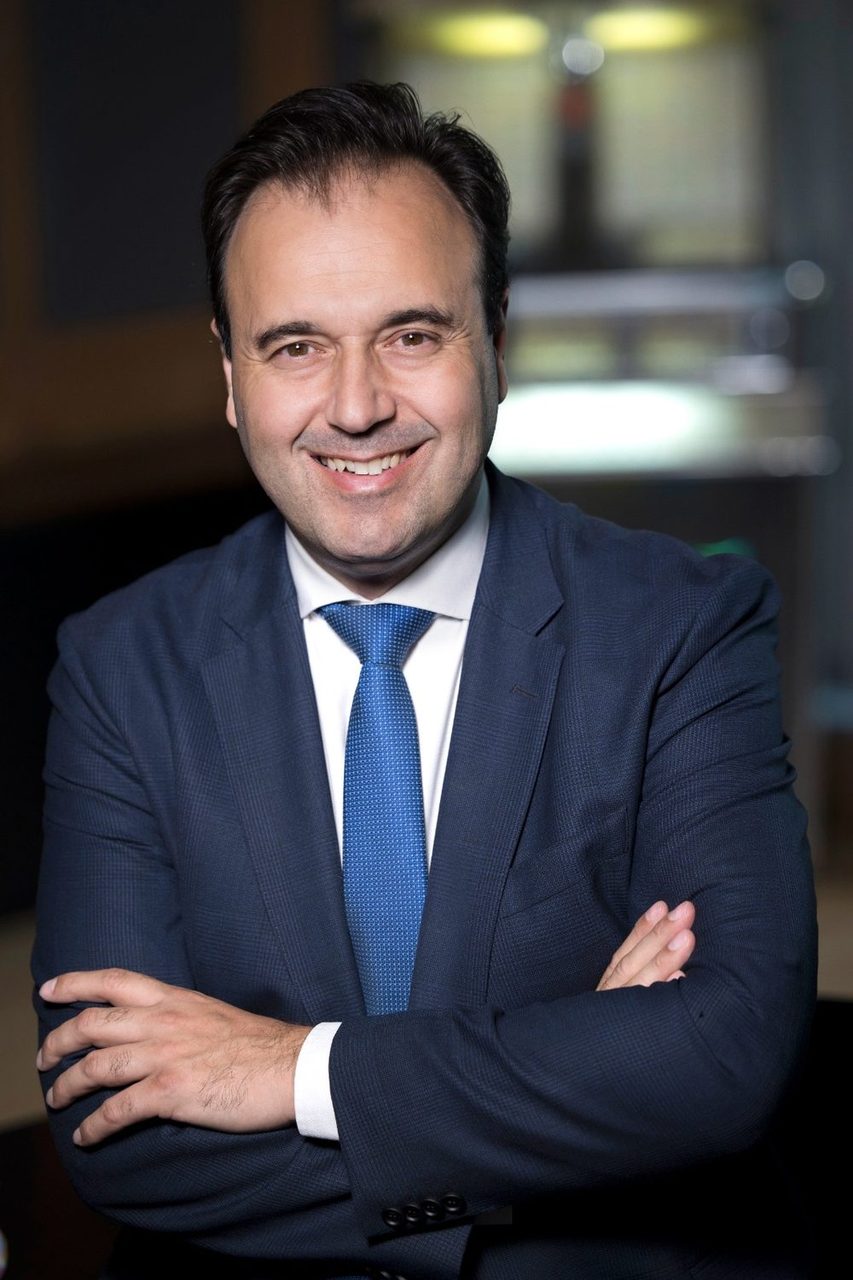
Greece
New Lines of Opportunity
Dimitris Papastergiou, Minister of Digital Governance and Artificial Intelligence of Greece
AMNI
Built to Outlast the Cycle
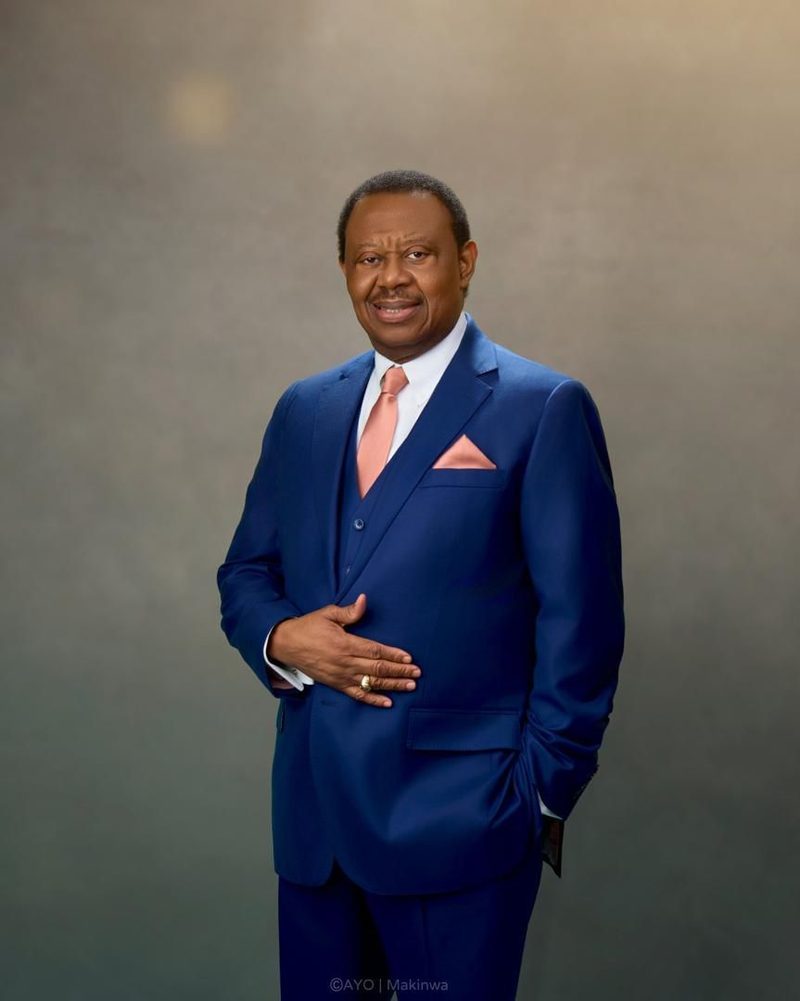
Chief Tunde J. Afolabi, Chairman and CEO of AMNI
JIC Holdings
Unlocking Africa’s Continental Potential
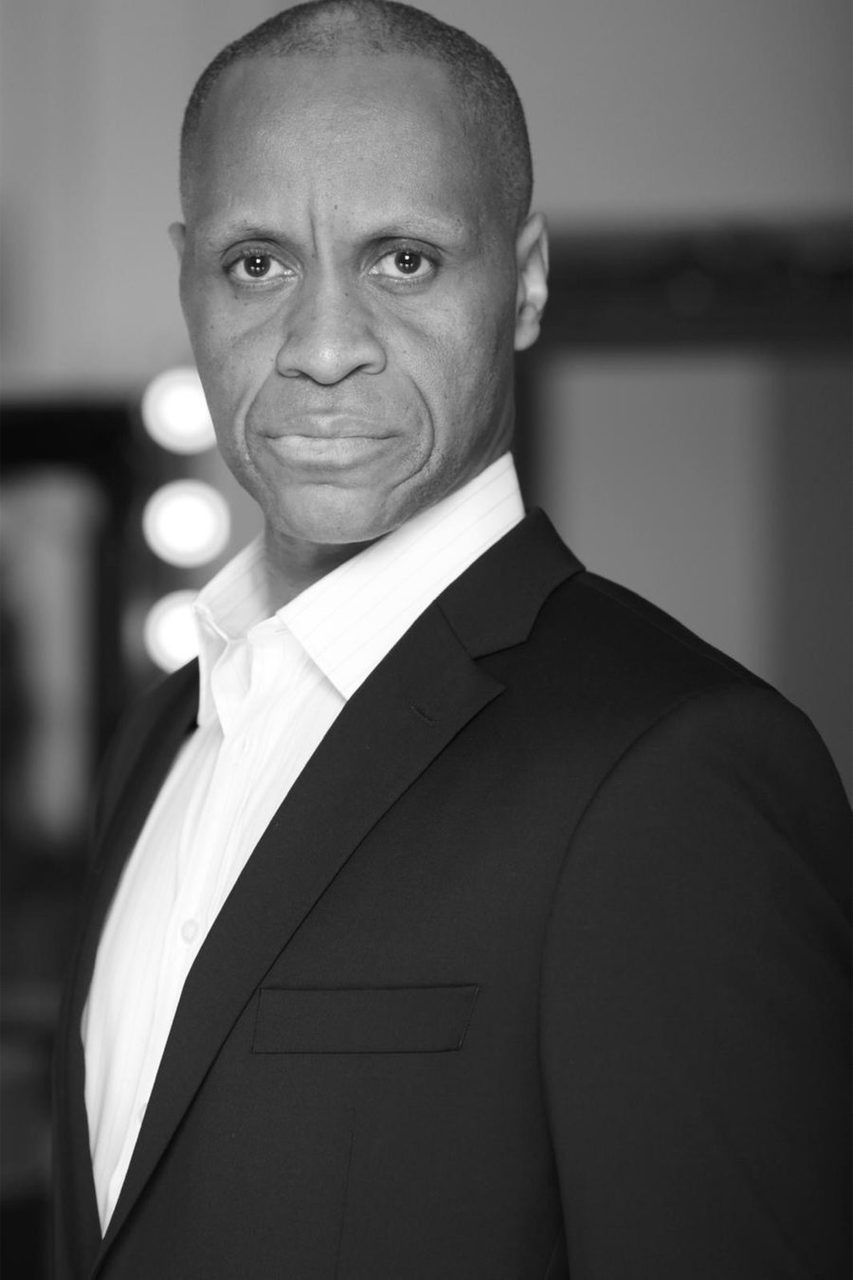
Mark-Anthony Johnson, Founder and CEO of JIC Holdings